
We are a
Spatial AI lab.
We build foundation models that understand the 3D world — perceive, reason, simulate, and generate within it. One representation, many tasks.
Image models produce images.Video models produce motion.Spatial models produce worlds.
From models to worldsSpatial AI is the idea that a model carries a coherent 3D representation of what it sees — the way humans do without thinking. Objects exist in space. Surfaces have geometry. Occlusion is real. The world stays consistent when you move.
Reconstruction, understanding, editing, and generation become different ways of interrogating the same world model. One foundation, many tasks — a platform shift for the whole field.
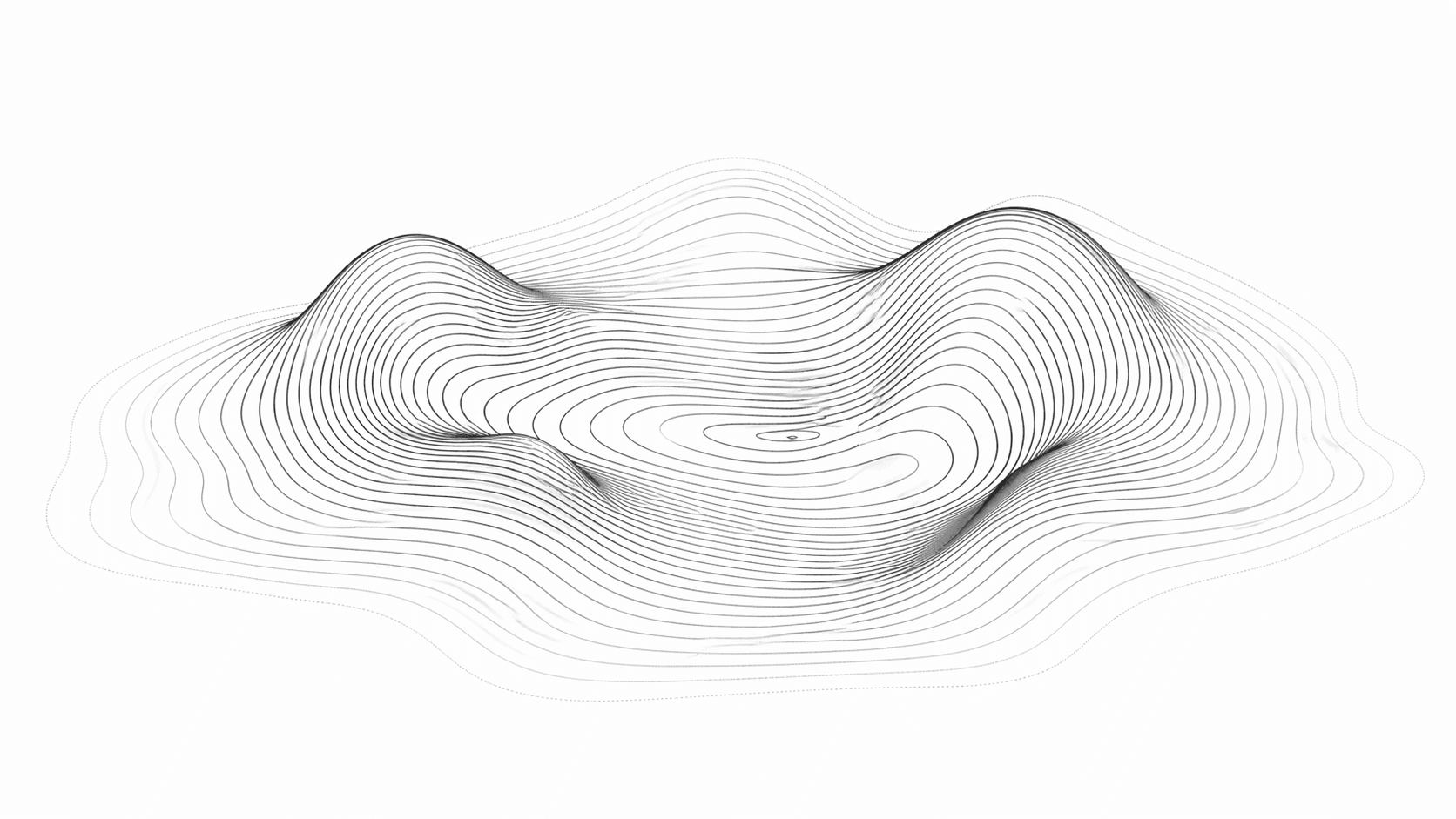
A 3D world model.
Foundation model · spatial reconstruction & generation
Build 3D scenes and objects from a text prompt, or from a handful of images. One foundation, many ways to interrogate it.
- 01text and/or sparse views in
- 023D coherent scene out
- 03queryable, navigable, persistent
The world is not flat,
AI shouldn't be either.
CV is fragmented.
Computer vision — how AI perceives the world — is still many narrow models for many narrow tasks. CV today sits where NLP did seven years ago: lots of pipelines, no shared foundation.
3D is foundational.
3D is not a feature you bolt on. It is the substrate — under perception, under planning, under interaction.
The 3D gap.
Text, images, and video each have foundation models. 3D does not — yet. Closing that gap is the open problem we are building for.
Latest
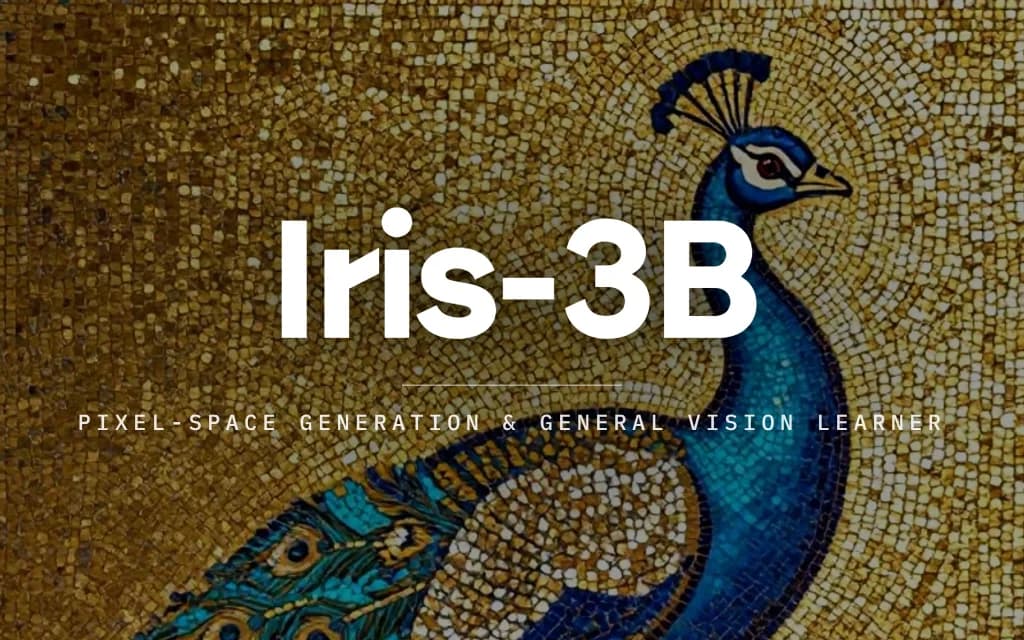
Iris-3B
A fully open 3B pixel-space text-to-image model — no VAE, every pixel generated — and a generative prior that acts as a general vision learner.
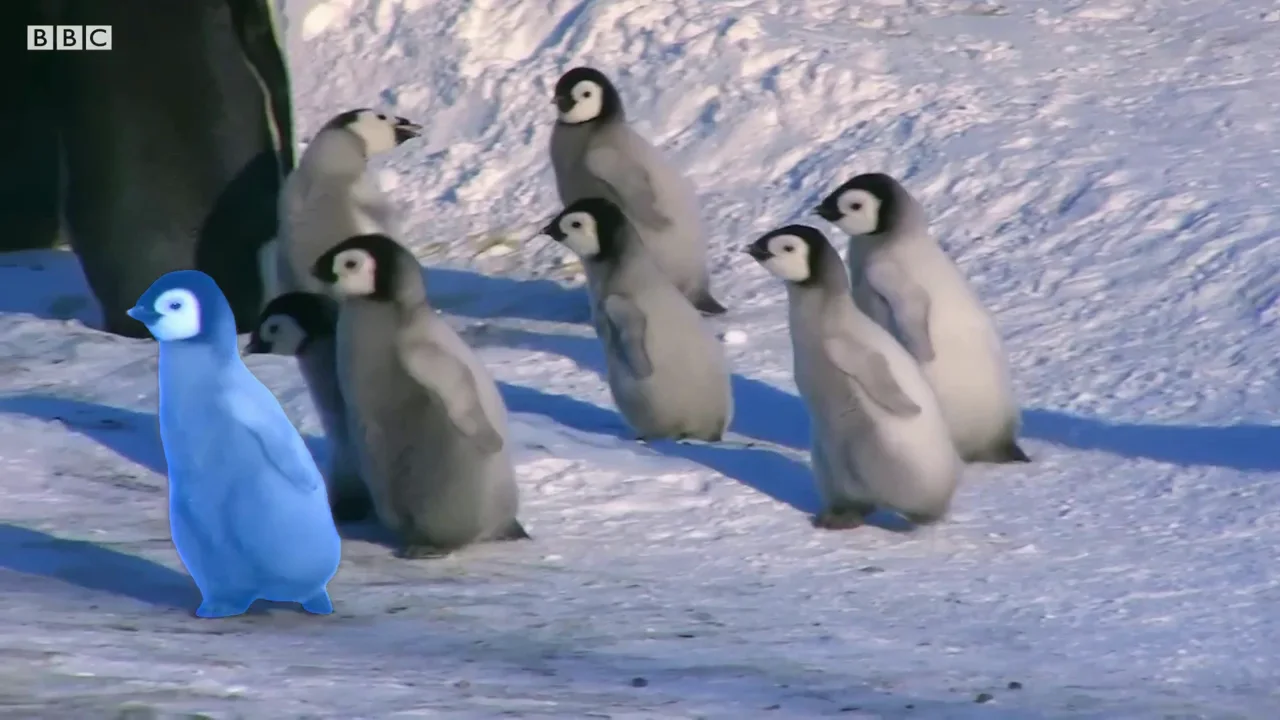
ENEAS
Embedding-guided Neural Ensemble for Adaptive Segmentation. Describe a concept in plain text — ENEAS finds, segments, and tracks it across images and video.
The shape of intelligence.
Foundation models that understand the 3D world — perception, reasoning, simulation, generation, in one representation. This is spatial AI.